Is It Possible to Use Compost For Indoor Plants?
As we all know, compost is a fertilizer that we use to add nutrients to our plants. It is a very popular fertilizer for everything from home gardens to large-scale crop cultivation. This is mainly because of its convenience to make and its fascinating benefits. Compost is a simple fertilizer that is rich in minerals and nutrients. This is exactly why compost is called “black gold” by the farmer and those who cultivate it. Compost is such a good friend to a farmer, and it is the best organic fertilizer ever.
How Do You Make Compost?
Making compost is such an easy task. You will almost wonder whether you can make compost this easily. Compost is made up of decayed organic matter. In simple terms, any natural substances that get subjected to decay can be used to make compost. Let’s look at the stuff that can be added to make compost.
- Kitchen waste: each house has a kitchen, and we dispose of so much waste daily from our kitchen. Vegetable waste, fruit waste, and food leftovers—all these things can be used in making compost. The only thing that is not to be added is artificial, non-decaying substances like polythene and plastic.
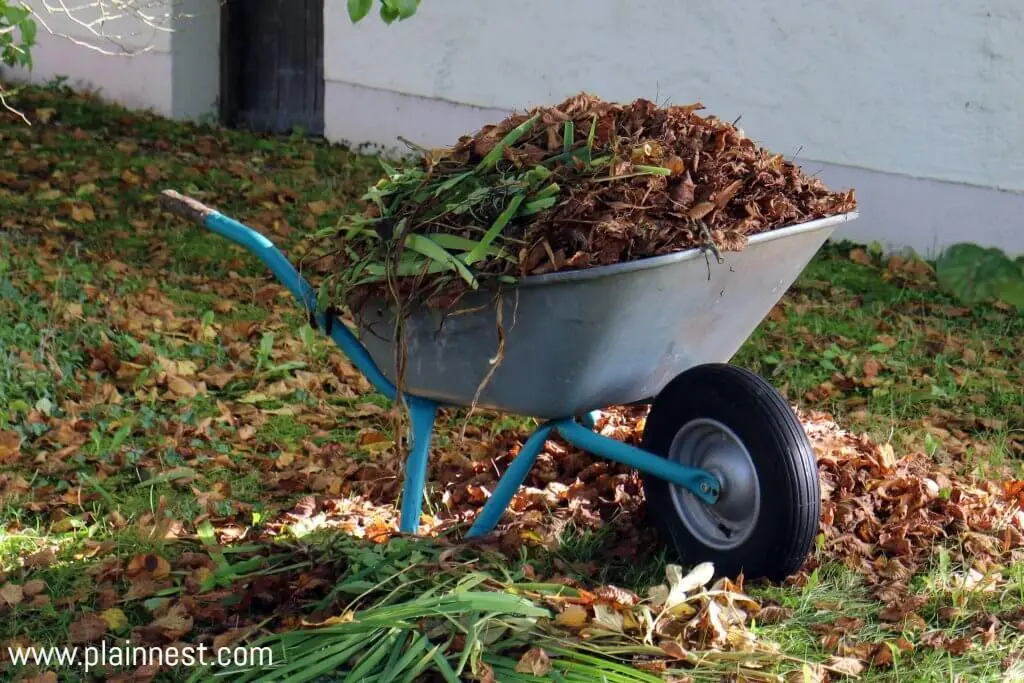
- Garden waste: whenever you cut your branches or trample your lawn, you can use those waste materials in your compost mixture. Dry leaves swept from your yard are ideal for creating a rich compost mixture.

Image Credit: https://www.pexels.com/
How Do You Know Your Compost Is Ready to Go?
Even though compost is easy to make, there is a correct consistency for the best compost mixture. There is a correct color to it and a required thickness to it. Also, the compost mixture should not be too hard or too soft. If you are a professional, you can say whether the consistency is right or wrong just by looking at it. But if you are a beginner, this article will help you get an idea of the perfect consistency of your compost mixture. The correct color of perfect compost is dark brown. This can change a bit from brown to black. However, too much dark black or too light brown is not ideal.
The other important factor is getting the correct moisture. Your compost mixture should not be too dry or too damp. For example, it should not feel or look like sand, nor should it look muddy. As I mentioned earlier, with time, you become able to analyze the consistency just by looking at it. But for now, try this tip.
- Take a handful of compost in your hand and clench it. If you feel a little chill on your hand from the mixture, then it has the correct amount of moisture and is not too dry.
- Check whether the mixture is too damp; take a handful of the compost mixture and squeeze it. If you can squeeze water drops through your fingers, unfortunately, the mixture is too damp.
To fix this situation, all you have to do is add some dry fertilizer to your wet mixture, and vice versa.
Why Should You Make Your Own Compost?
Compost is a highly nutritious natural fertilizer. It is simple to produce and only uses the desired matter. Among all the benefits of making your own compost, the following are significant:
- You can get rid of your waste matter. There’s so much waste we dispose of from our kitchen and yard. By making compost, you can convert this waste into something useful.
- You help the environment by recycling your waste; recycling your waste helps to keep our environment clean.
- Since you are making your own fertilizer, you are saving money that you would have to spend on fertilizer otherwise.
- By making compost in your home yard, you are also advancing your soil to a healthier, more nutrient-rich version.
How To Make Compost at Home
As we already know, making compost is the easiest thing. All you have to do is collect all your organic waste into a pile and let it rest. Let’s see how you can make the best compost at home, step by step.
- You should mix materials in brown and green; some examples of brown materials can be given as sawdust, plant twigs, dry leaves, wood chips, etc. And for green material, you can use kitchen waste, green leaves, grass clippings, fresh garden waste, etc.
Then you should cover your mixture; you can use a bin with a net around it or anything that allows large gaps to quicken the process. Be mindful not to cover it on top. Cover it properly once the materials have dried. - You should wet your mixture; try squeezing a handful of compost mixture. If you can produce some water droplets, the mixture is moist enough.
Then you can start making a big pile; try to make a big heap of compost to get the best compost mixture. Having a large compost heap is better than having a small one. - Convert your mixture; for the final step, you should turn your whole heap over. Use a rack to scoop everything out of the heap. Mise it with whatever is left on your heap. If your mixture looks a little dry, you can add some more water, and if it’s too wet, add some spill or dry ingredients to it.
Should I Use Compost on Indoor Plants?
By now we know how beneficial compost can be, so it is not even to be questioned whether or not you can use it on your houseplants. You can, of course, use compost on your houseplants. Compost is rich in nutrients and will only provide your plants with additional nutrients.
Just like everything else, be mindful not to add too much compost to your plants. And most importantly, don’t press the soil. A loose soil mixture is very important to a plant’s root system.
Which Compost Is Best for Houseplants?
House plants are always delivered with pot and potting soil, but they will require repotting over time to ensure healthy growth. Compost is the best solution to provide them with the extra nutrients that they need.
Now let us look at the best type of compost for your houseplants.
There are mainly three types of compost that you can use for your indoor plants. For examples,
- Multi-purpose compost
- House plant compost
- Loam-based compost
If you ask me what is the best type of compost for your house plants, my answer is,
Unless your house plant is a specific variety that requires special care, such as orchids, you can simply use multipurpose peat-free compost for the rest of the common house plants.
How To Use Compost Indoors
The amount of compost that is to be added to your plants depends on several factors. For example, you have to consider the plant’s size, the volume of the pot, the plant’s species, and the condition of the soil. For instance, plants like orchids, cacti, and anthurium differ from one another according to the conditions in which they grow and the requirements they need.
But apart from those specific occasions, what you can do in general is add inches of compost to houseplants two times a year. This amount should be sufficient to give them the extra nutrients that they need.
Is It Okay to Use Compost for The Potting Soil of Indoor Plants?
Yes, you can use compost for your indoor plants. But you better not use compost instead of potting soil for your plants. Compost is rich in nutrients, and too much of it can damage your plants. So, instead of using potting soil, use compost to supplement the nutrients in your house plants. This way, you can keep your plants looking fresh and healthy by providing the additional nutrients that they need.
Advantages And Disadvantages of Using Compost?
There are numerous benefits to using compost, but there are also some drawbacks. Let’s analyze both sides separately.
Advantages-
- Compost improves soil quality by adding nutrients.
- Compost is easy to make and use.
- It helps recycle garbage.
- Composting is eco-friendly.
- Compost is fully organic.
Now let us look at some of the disadvantages of making compost.
- During the composting process, a foul odor is produced.
- Compost might attract insects and other animals.
- Making compost indoors may also result in the spread of diseases.
- It requires some space to make compost.
- It looks relatively unpleasant during the process.
How Can I Avoid Compost-Related Problems?
As we have repeatedly mentioned in this article, adding too much compost to your houseplants can damage them a lot. Excessive compost causes a condition called root burn. Here the plant’s roots get damaged due to the excessive amount of phosphorus produced in the soil.
There are a few signs that help you identify a root-cause bursitis condition, such as
- Your leaves will be a yellowish brown.
- It will slow the growth of your plant.
- The roots of the plant will get brown.
- The leaves will look dull and sickly.
- The plant will start wilting.
In case you notice any of these signs, what you have to do is report the plant right away after carefully uprooting it. Be careful not to add any additional fertilizer until your plant gets back to normal.