
Yellow and Brown Drips on Bathroom Walls – What Causes Them, How to Clean Them, and How to Avoid Them
The bathroom is the place where you will be able to relax and rejuvenate after a long day. Unfortunately, when yellow and brown stains start appearing on the walls of your bathroom, it can take away all the peace of mind. These stains are caused by several reasons, such as minerals, moisture, and mold, which can be extremely difficult to remove. This article will discuss tips and tricks to help you get rid of yellow and brown stains on bathroom walls.
Causes of Yellow and Brown Stains on Bathroom Walls
There are two key sources of these bothersome spots – both require some humidity from condensation or water splatters to produce a dripping effect.
Minerals in the Water
Most tap water in the United States is far from pure, and unless you have a first-rate filtration system at home, your faucet contains various contaminants such as minerals like Calcium, Magnesium, Sodium, Copper, and Zinc. In small amounts, these minerals do not cause any harm to the human body, but their presence in water can be very destructive for bathroom walls – especially those made of paint.
When the water drains from the walls, these minerals are left behind in small white/ yellow spots. These build-ups of minerals can eventually lead to the walls becoming discolored. When these mineral build-ups mix with moisture and dirt, they can form a brownish-hard film or scum on the walls that are difficult and time-consuming to remove.
Nevertheless, these issues can be managed until the second listed factor comes into play.
Mold and Mildew
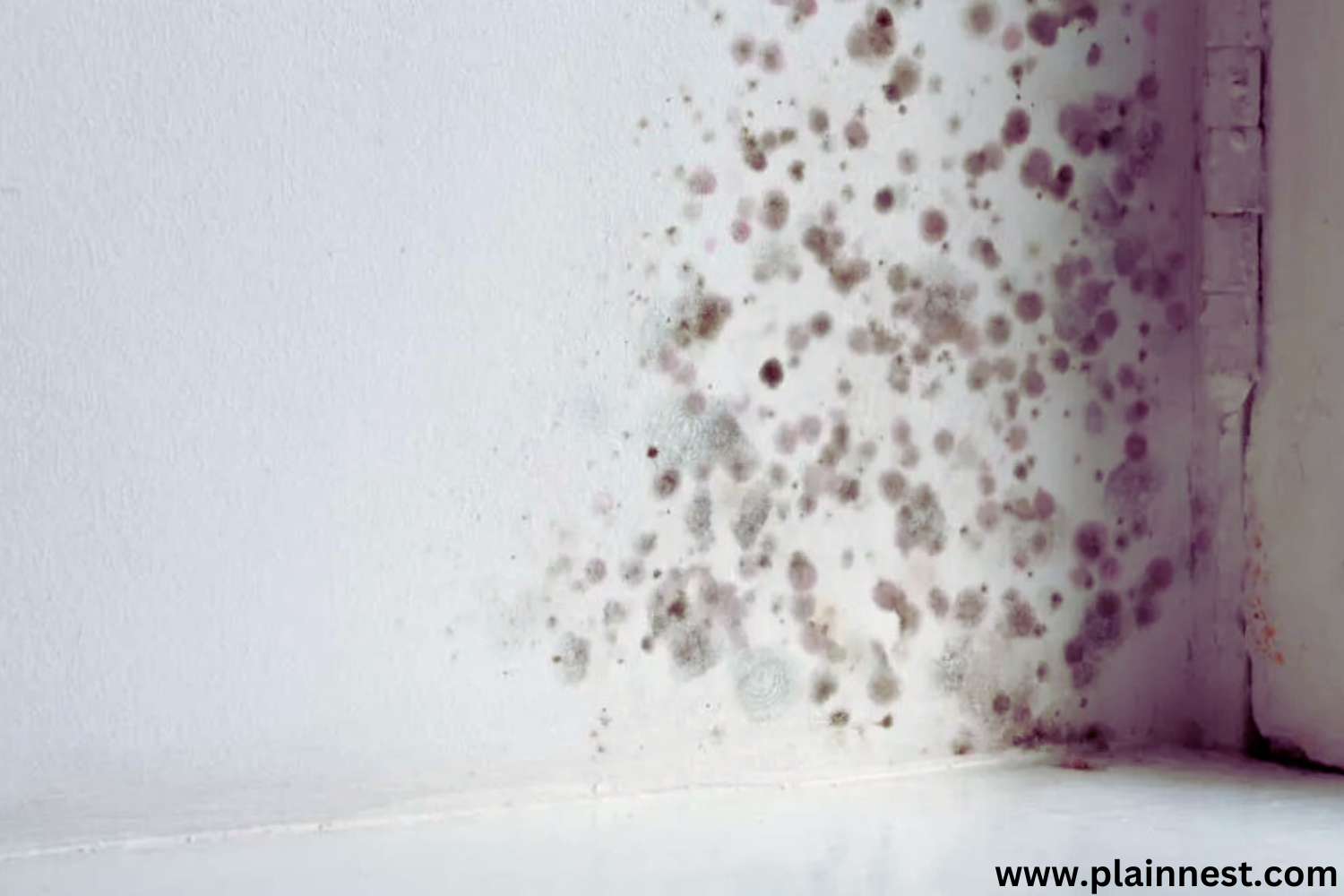
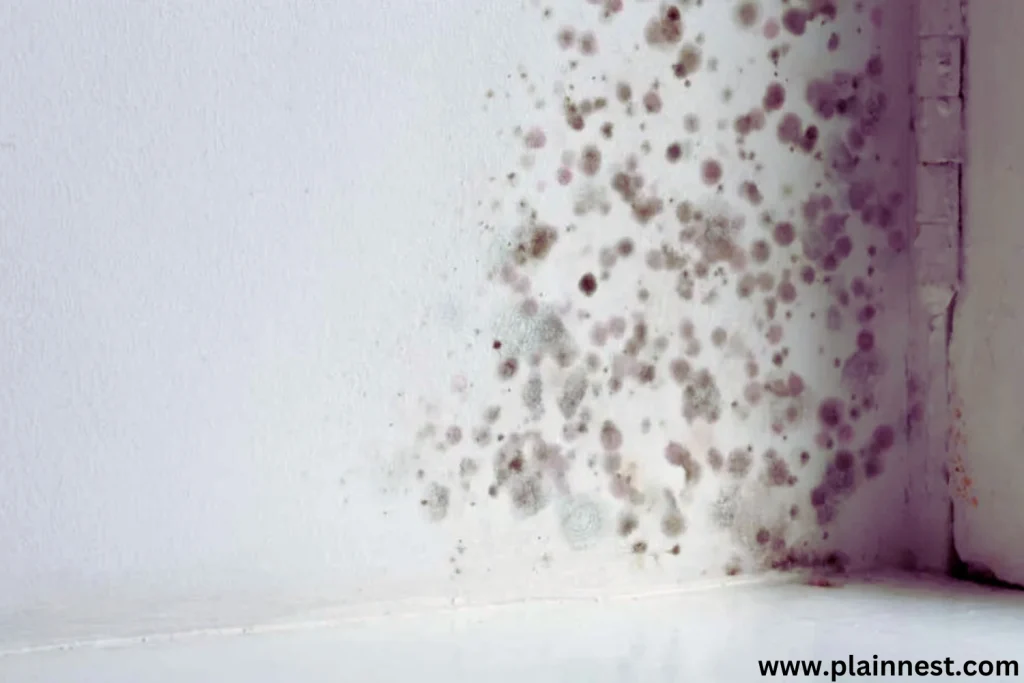
If you leave the mineral deposits alone, your bathroom walls will become a breeding ground for mold and mildew. This is because mineral deposits, in combination with humidity and temperature, create an ideal environment for mold and mildew to grow.
Mold and mildew can cause the walls to become discolored and stained and can even cause a musty odor in the bathroom. Plus, it can be harmful to your health if airborne mold spores are inhaled.
If left unchecked, these pesky spores can rapidly spread throughout your home, creating an unhealthy living environment.
Additionally, mold and mildew are extremely challenging to remove since they possess the capability to live in extreme conditions and even regenerate!
To top it off, your efforts to clean up the mess may be futile if you don’t use the proper cleaning products. The wrong cleaner could actually cause more damage by promoting mold growth or stripping away paint from walls.
How Can You Differentiate Between Mineral Deposits and Mold?
Good question. It can be difficult to tell which one is causing the issue in your bathroom. While mineral deposits are usually translucent and crusty, mold can be black, white, greenish, or other colors, and it is usually slimy. So if the discoloration on your walls looks slimy, chances are its mold.
If you are unsure, the best thing to do is call in a professional to inspect your bathroom. They will be able to determine whether the problem is caused by mold or mineral deposits and will suggest the most appropriate solution for your specific situation.
How to Remove Yellow And Brown Drips On Bathroom Walls
The cleaning procedure may vary depending on the type of discoloration. Let’s start with the mineral deposits.
How To Remove Yellow and Brown Mineral Deposits
If you have determined that the discoloration in your bathroom is mineral deposits, you are at an advantage. Mineral deposits are much easier to remove than mold. Here are the steps to remove yellow and brown mineral deposits from your bathroom.
- Prepare the area
Make sure you wear old clothes and gloves before beginning to clean the bathroom, as the cleaning agents may damage your clothing. Also, open windows and turn on a fan to improve ventilation, as the cleaning agents have strong odors.
- Gently scrub away
Begin gently scrubbing the area with a soft-bristled scrub brush. When doing this, make sure to use a gentle circular motion instead of vigorous rubbing, as this can cause damage to the wall surface.
- Use vinegar and a warm water solution.
If the deposits are difficult to remove, mix equal parts vinegar and warm water and apply it to the wall using a soft cloth or sponge. Allow it to sit for 2-3 minutes before attempting to scrub again. This should help loosen up some of the stubborn minerals deposited on the surface of your wall.
- Use a bleach solution.
If nothing else works, you can try using a stronger solution of 1 cup of bleach per 3 gallons of water (with proper ventilation). Apply it to the affected area with a sponge or soft cloth and allow it to sit for 10-15 minutes before rinsing off thoroughly with lukewarm water and drying with a towel or rag.
- Professional assistance
If nothing seems to be removing the mineral deposits no matter what you try, then you may need to seek help from a professional who can properly diagnose and treat your problem safely without causing any damage to your walls or fixtures in your bathroom.
How to Remove Yellow and Brown Mold
Mold can be a tricky thing to remove and requires a little bit more caution. First, you should use a mixture of one part vinegar to ten parts water and apply it directly to the affected area with a sponge or soft rag. Let the mixture sit for approximately 30-60 minutes, then scrub gently with a sponge or soft-bristled brush. Rinse off thoroughly and let the area dry. If the mold is still present, you can use a mixture of bleach and water instead. Allow it to sit for an hour or two, scrub it off, then rinse and dry.
Things to Keep In Mind:
- Always use safety gear when working with bleach and other cleaning solutions, like gloves and eye protection.
- When cleaning with acidic solutions such as vinegar, always test a small area first to ensure that it will not cause discoloration on your bathroom walls.
- Open windows and use a fan when working with bleach, as the fumes can be hazardous if inhaled in large amounts.
- Wear protective gloves and eyewear when dealing with mold, as contact with this substance could lead to irritation or even infection of the eyes and skin.
- Be sure to properly store any cleaning products you are using, making sure they are out of reach of children and pets.
How to Prevent Yellow Drips on Bathroom Walls
Now that you know how to remove yellow drips from bathroom walls, you can take steps to prevent them in the first place. Here are several steps you can take:
Ensure Proper Ventilation
The first step to preventing yellow drips on bathroom walls is to ensure proper ventilation in your bathroom. Make sure that your exhaust fan is working properly, and if needed, invest in a dehumidifier to help keep the moisture levels down. Additionally, open windows or doors when showering or bathing to further promote air circulation and reduce humidity.

Wipe Down the Walls & Ceilings
To keep yellow drips from forming on your bathroom walls, wipe down the walls with a damp cloth on a regular basis. This will help keep the surfaces free of dust and other residues that can attract mold and mildew. Every so often, use an all-purpose cleaner on the walls and ceilings, as well as any fixtures, in order to remove any lingering grime or dirt that may lead to discoloration over time.
Take Cooler/Shorter Showers & Baths
Long hot showers can increase the humidity levels in your bathroom, making it more prone to yellow drips from condensation build-up on the walls and ceilings. To combat this issue, try taking cooler or shorter showers and baths so that the temperature difference between inside your home and outside isn’t so drastic when you step out of the shower or bathtub.
Practice Good Hygiene Habits
Good Hygiene Habits are essential if you want to avoid those pesky yellow drips on your bathroom walls! Make sure to clean up any water on the floor right away after each shower or bath. Wipe it up well, so there is no water left. If you leave even a little bit of water, over time, mold and mildew will start to grow. This can make your walls turn yellow.
Further, it is important to unclog drains regularly, using a plunger or snake if necessary. Clogged drains can cause water to leak onto surfaces, which can lead to stains, mold, and bacteria growth. If given a chance, mold can form easily in these damp areas.
Invest in Mold-Resistant Paint & Wallpaper
Last but not least, invest in paint or wallpaper that is specifically designed for bathrooms. They have special anti-mold agents in them, which will help protect against yellow drips from forming due to moisture build-up. This will also help with discoloration problems caused by mold/mildew growth over time in bathrooms!
Final Words
So there you have it – a few simple yet effective tips for keeping mold away from your bathroom! Now go forth and keep that shower or bathtub sparkly clean and free of any unwanted yellow stains! And if all else fails, be sure to get help from the professionals in order to ensure that your bathroom remains free of unsightly yellow drips. Happy cleaning!


