Master Bedroom with Wainscoting Ideas
Wainscoting is a type of decorative wall paneling. It can be made of wood, metal, or other materials. Wainscoting gives a sense of depth and dimension to a wall. You’ll find wainscoting in many different styles: Victorian-style wainscotting (also known as breadboard) has been around since the mid-1800s; classic English-style wainscotting was commonly used in homes built before World War II; Dutch-style wainscotting was popular during the Colonial period; and late 19th-century revivalist styles featured ornamental borders around each panel’s edge with generous use of molding details above and below the panels’ surface.
What is Wainscoting?
Wainscoting is a type of decorative wall paneling that is installed in a wall to cover the lower portion of the wall. There are many different types of wainscoting, but they all have similar characteristics:
- They are often made of wood, metal, or other materials.
- They tend to be vertical and symmetrical on either side of your house’s center line (the main point where you’d like everything else on your property lined up).
- You’ll probably want to use some premade baseboard molding attached at least halfway down each side to avoid gaps between both sides’ sections when they meet up at their intersection point (which will become visible if there aren’t any supports behind them).
Wainscoting can be made of wood, metal, or other materials
Wainscoting is made of wood, metal, or other materials. It can be stained or painted according to the color of your walls and trim. If you’re not sure what kind of wainscotting you want to use in your master bedroom, here’s a list of some popular choices:
- Wood – This type of wainscotting looks like traditional paneling. It has been used for centuries in homes across America (and even Europe). The most common woods used for this purpose include oak, pine, and cherry.
- Metal – If you want something different from the norm but still want that traditional look, then metal is definitely something worth considering! There are many types of metals out there—from silver-plated brass pieces such as those found on this website down through polished nickel silver finishes all the way up through chrome-plated options available today—and each one has its unique personality when it comes time to decide upon which one would best suit your needs within each room where it will be installed.
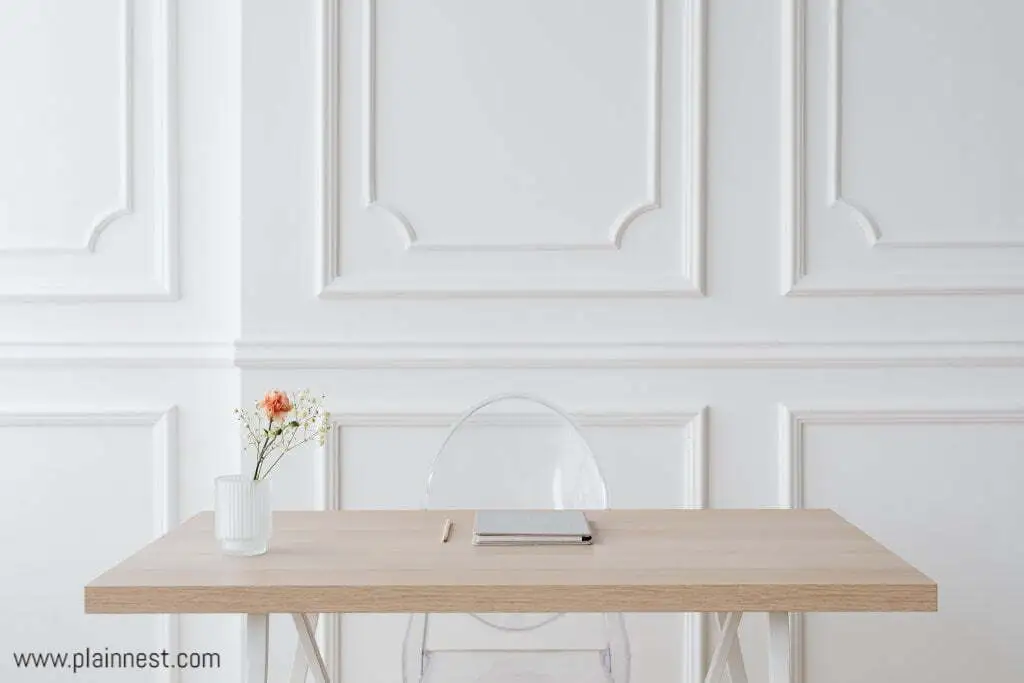
Wainscoting is sometimes called wainscot or breadboard.
Wainscoting is a decorative wall covering that displays images and designs. It can be found in many homes, but it’s prevalent in older houses because of its heritage and design value.
Wainscot is a type of paneling used on walls to add texture and elegance to rooms. At the same time, a breadboard is often confused with wainscotting due to its similar appearance. However, there are some differences between these two types of paneling:
- Wainscotting has a wood frame filled with holes for nails or screws; the breadboard does not have this frame (it’s just an open weave).
- Breadboards are often stained oak or mahogany instead of cheap particle board like wainscoting boards tend to be made from today—and they’re also usually thinner than their counterpart materials, so they don’t take up much space when installed over studs or joists (the structural members supporting a ceiling).
Wainscoting gives a sense of depth and dimension to a wall.
Wainscoting is a type of decorative wall paneling made from wood, metal, or other materials. It’s often referred to as wainscot or beadboard, but it’s not technically one thing any more than it is.
It gives your room a sense of depth and dimension by creating an illusionary gap between the ceiling and floor; this creates more space in your bedroom where you need it most!
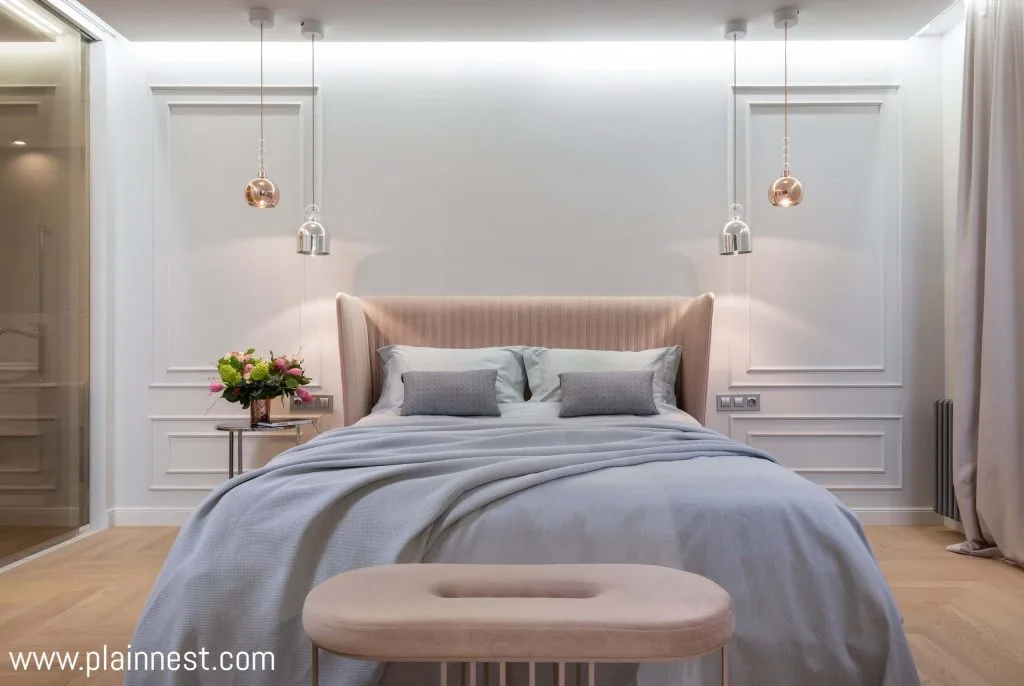
Image credit: https://www.pexels.com/
Wainscoting can conceal imperfections in the walls.
Wainscoting can also hide imperfections in the walls. The wainscoting is a great way to hide imperfections in your walls, whether they’re cracks or discolored paint.
It is easier to paint or remove wainscoting than to repair walls if heavy wall hangings damage them.
Wainscoting is more straightforward to paint than walls, and it’s also easier to remove if damaged. Suppose wainscotting gets a little beat up from heavy wall hangings (or other factors). In that case, you can easily repair it by painting over any cracks or chips.
If your walls are going through a significant renovation of some kind—a new coat of paint, for instance—it may be best not to strip them down completely before starting the project. This will save time in your schedule and also help keep costs down by avoiding having to buy new materials (such as paint) while they’re still drying out from being covered by old ones on their way out!
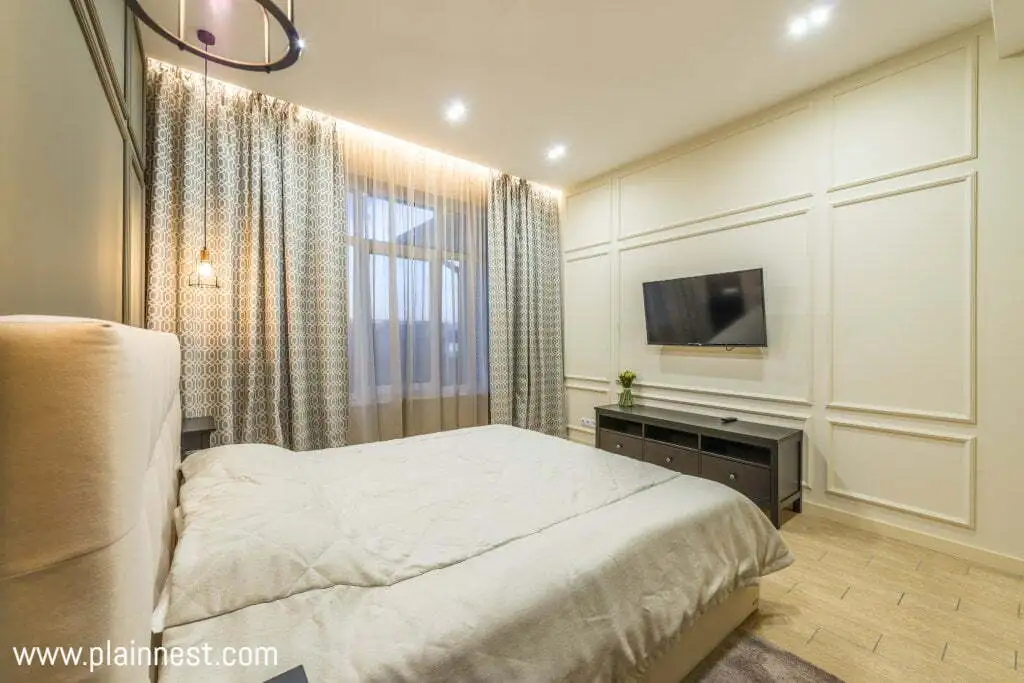
Wainscoting in the master bedroom makes the walls appear more finished and polished.
Wainscoting is a great way to make your room feel more finished and polished. It can help you create the illusion that the walls are thicker, more solid, and more substantial than they are.
Wainscotting is also an easy way to add texture and detail to any space in your home. With this in mind, let’s take a look at how you can use wainscoting in the master bedroom:
Image credit: https://www.pexels.com/
The word “wainscoting” originally referred to oak panels used on the lower portion of a room’s walls.
Wainscoting is a type of decorative wall paneling made from wood, metal, or other materials. Wainscot and beadboard are just two names for this style of wall covering.
The word “wainscot” originated in 16th-century England. It referred to oak panels on the lower portion of a room’s walls, sometimes called “wainscoting.” Gradually, it became more common to use other types of material for this purpose. Today, it generally refers to any decorative molding that lines up with your ceiling heights.
Early wooden wainscoting often was unpainted, stained, or varnished.
Wainscoting the bedroom is a great way to add character and warmth to your home, but Knowing where to start can take time. If you’re ready to make some room in your budget (or want an excuse), consider this DIY project:
- Purchase a piece of wood at least 9 inches wide by 24 inches long (about half the width of two pieces of standard-sized wainscoting). If possible, find something made from oak—this hardwood will last longer than other woods and result in less upkeep over time.
- Stain or paint it using any color you like! You could also varnish it for extra protection against moisture damage and scratches from everyday use.
Different height levels of paneling can be used in a room to highlight areas such as fireplaces or light fixtures and architectural details in the ceiling.
Wainscoting bedrooms can highlight areas such as fireplaces or light fixtures and architectural details in the ceiling. Wainscoting is also ideal for highlighting cabinets, windows, and doorways.
Wainscotting is an attractive option when you want to add warmth to your home’s interior design but don’t want anything too formal or traditional. It adds character and style with its simple lines that blend in easily with other elements of the decorating scheme (such as wallpaper) without overpowering them!
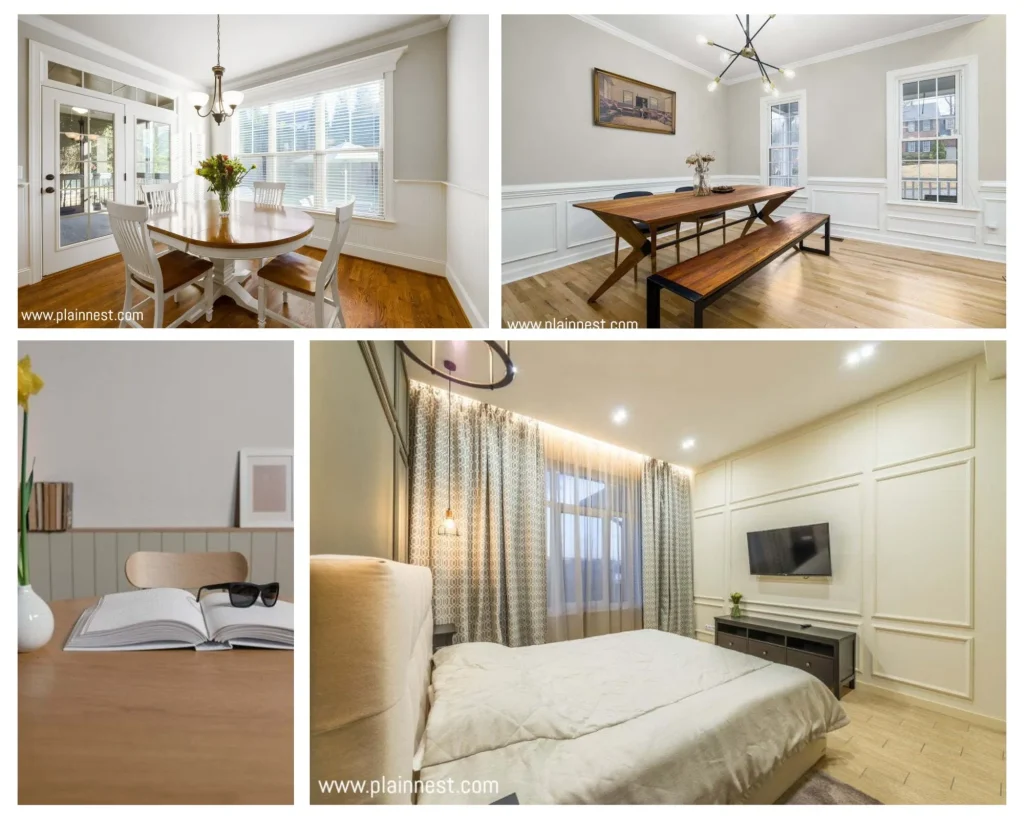
Image credit: https://www.pexels.com/
Wainscoting makes a room look beautiful and adds visual interest.
Wainscoting is a decorative wall paneling made of wood, metal, or other materials. It can cover a wall in your home or just small areas such as the top or bottom edges of your walls. Wainscotting often conceals imperfections in your walls and gives them a rich look that you’ll love!
Wainscoting is sometimes called wainscot or beadboard because it’s usually made out of wood and has small holes along its edges where the paint will go (called “beads”).
Conclusion:
Wainscoting is a great way to add detail and interest to your home. It can be used as a decorative accent or even as part of a room’s overall design. You don’t have to use traditional wooden panels. However, for your wainscoting project, you can choose from many materials, such as metal or plastic!